3D Printing
Previously, high-tech material parts that cannot be repaired by welding or other means are discarded
Apply DED 3D printing to repair evenly and precisely
Automation system of robot allows high precision | higher grade material application than conventional welding method | laser-based repair method, minimizing heat impact
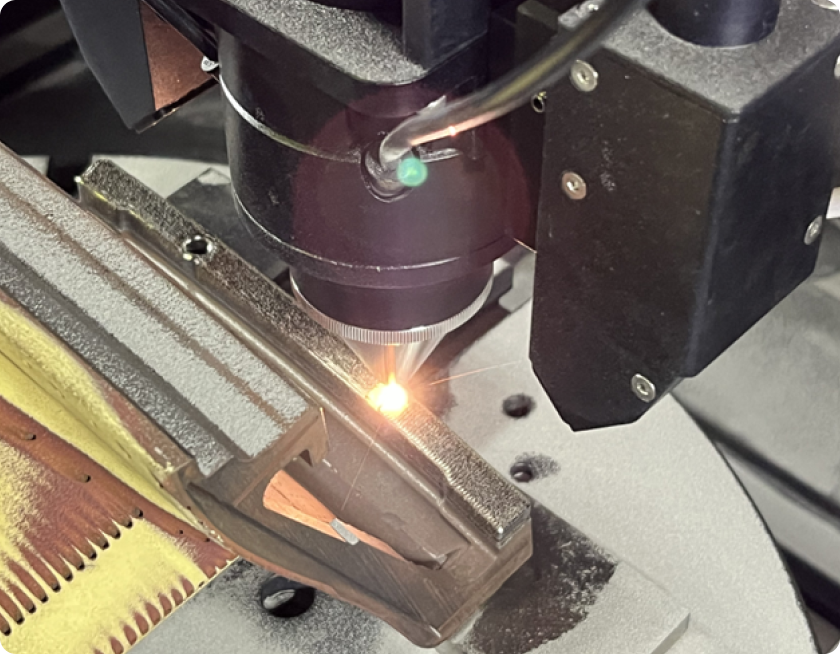
High Precision
The high-precision additive repair process uniformly reconstructs damaged areas and achieves precise shape restoration.
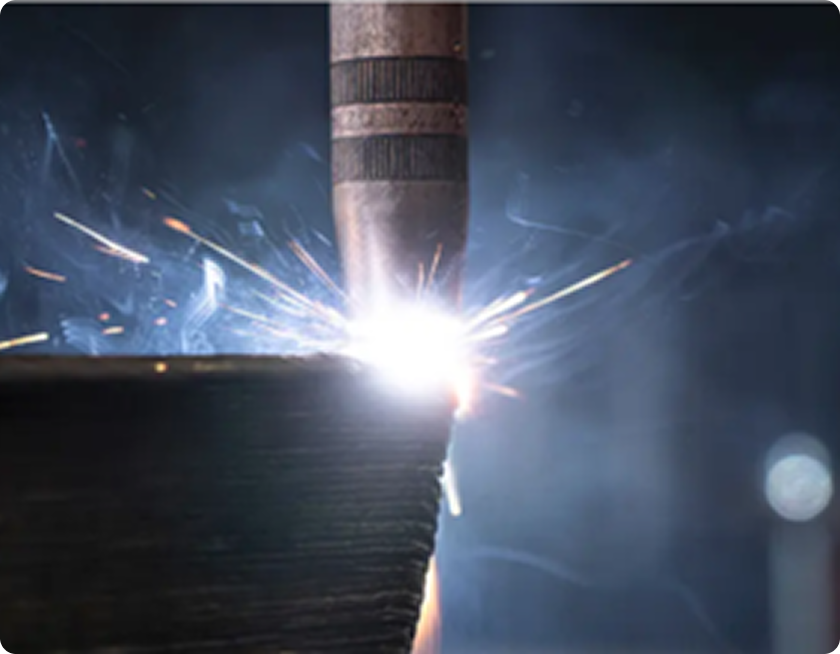
Controlled Heat
By minimizing heat input and the heat-affected zone compared to conventional welding, it simultaneously ensures the stability and reliability of damaged area repairs.
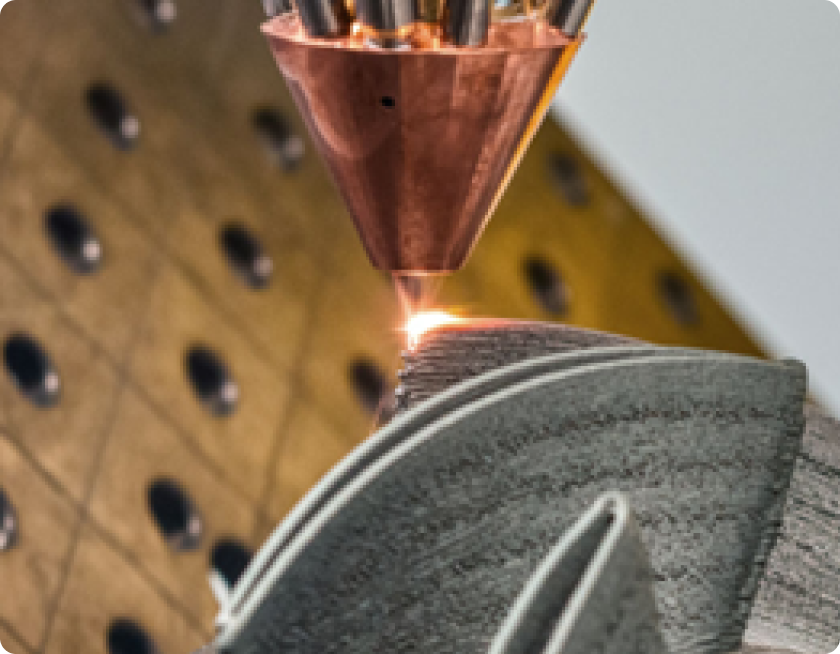
Advanced Recovery
It is a premium solution that enhances resource efficiency and economic viability by repairing high-value-added advanced material components instead of discarding them.
Composes of 5 steps from 3D scanning to inspection

3D Scanning
Scan damaged parts with a high-precision 3D scanner for shape data

Design
Based on the scan data obtained, design a model for parts that need to be repaired compared to the shape of the original part

DED repair
DED 3D printing method based on design data to design parts that need to be repaired compared to original part shape based on broken part maintenance scan data

Post-processing
Parts that have been repaired are processed additionally according to customer requirements (cutting, cutting, milling, blasting, heat treatment, etc.)

Inspection
Review the integrity and reliability of maintenance by testing the appearance shape and quality of the repaired parts
Problems with existing repair technology
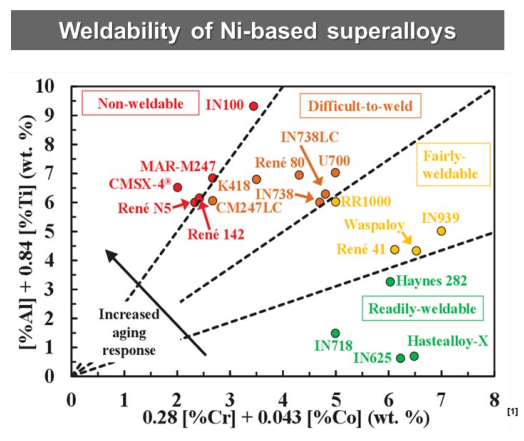
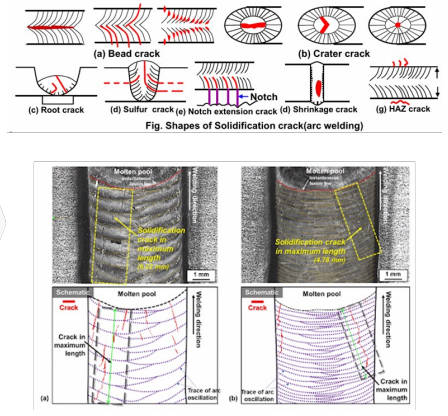
When repairing damaged parts of turbine blades/turbine blades using conventional TIG welding, the high heat input causes cracks in the parent material, making repair difficult.
By applying LP-DED technology and Alloy 939, a material exclusively for additive manufacturing from Gottech Co., Ltd., an excellent bonding interface with the base material is formed while minimizing heat input and heat-affected zone, and damaged parts can be repaired without cracks or defects.
Verification of repair part using LP-DED technology (test specimen)
We evaluate the performance of the bonding interface and the characteristics of the repair area through test specimen-based verification, and comprehensively confirm the soundness after heat treatment.
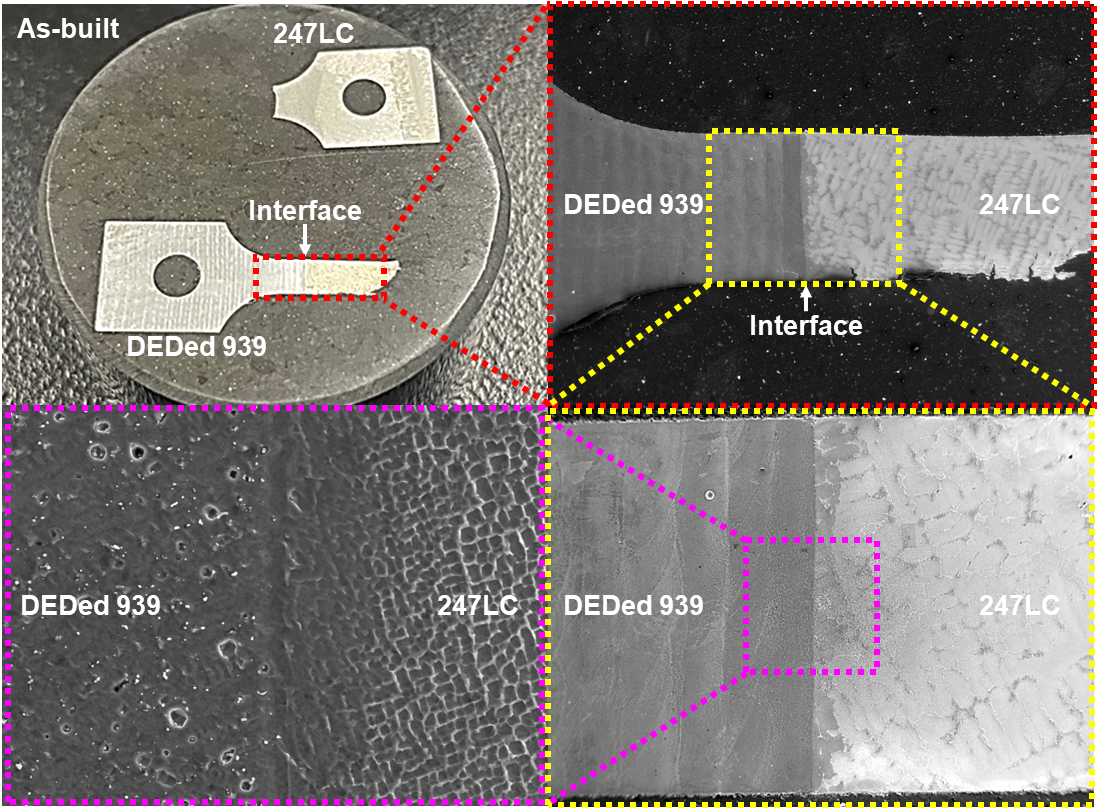
After applying LP-DED to deposit Alloy 939 onto the 247LC base material and conducting tensile testing, fracture occurred in the base material (247LC) rather than at the bonding interface, This result demonstrates excellent interfacial bonding characteristics and confirms that the repaired region exhibits superior mechanical properties compared to the 247LC substrate
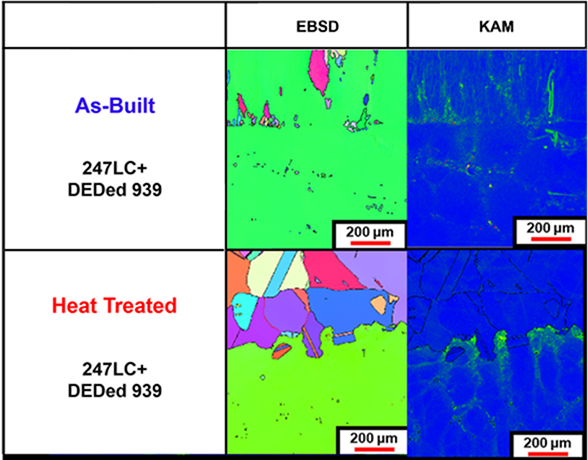
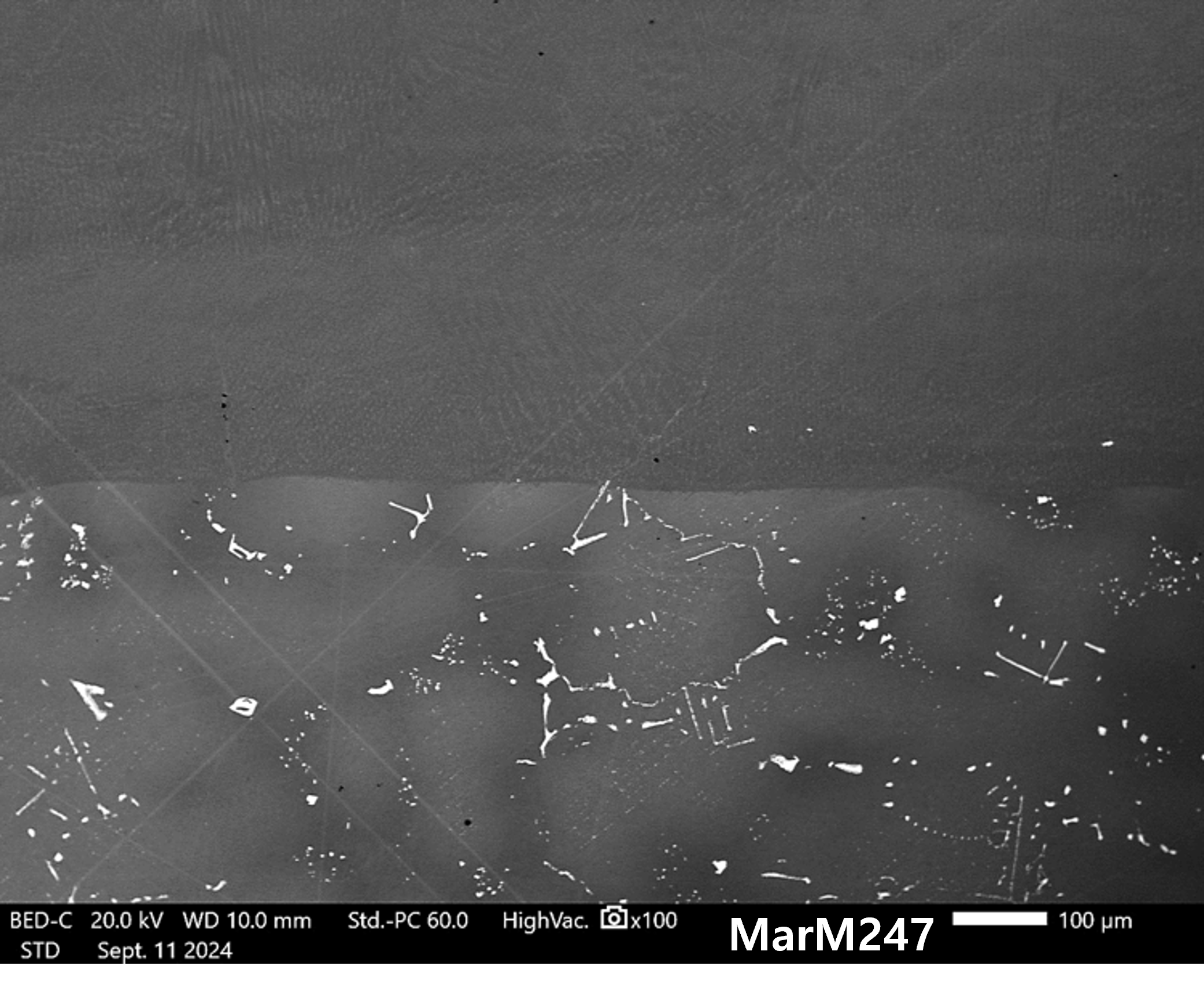
Following heat treatment of the 247LC base material, EBSD and KAM analyses confirmed the absence of cracks or defects at the bonding interface and within the repaired region, indicating the formation of a sound and structurally reliable repair zone
Bonding interface between the parent material and the repair part
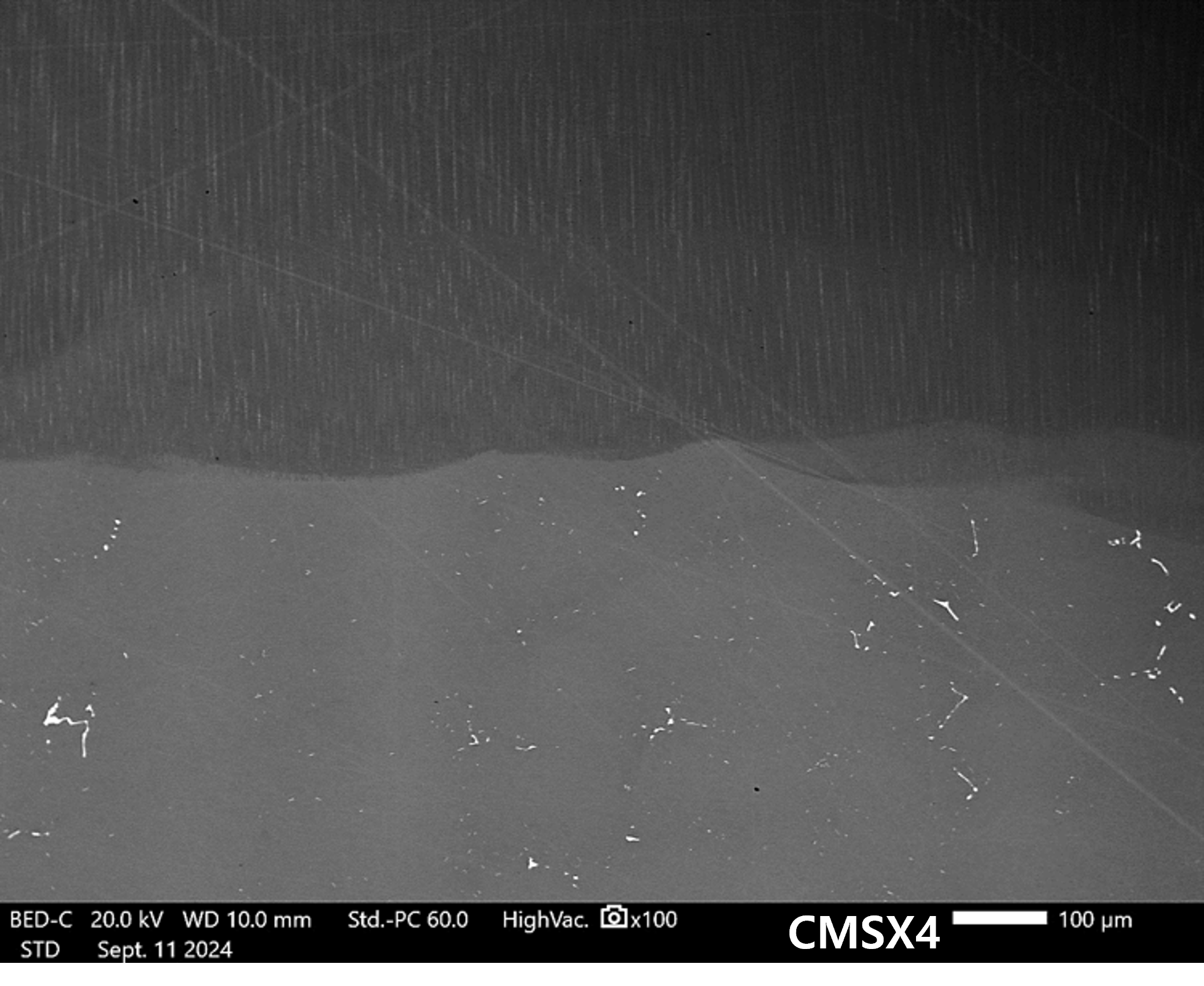
We visually inspect the interfacial integrity and microstructural state between the base material and the repair section, and evaluate the bonding characteristics focusing on crack and defect-free properties.
LP-DED Repair Department Non-Destructive Testing
Through 3D CT-based non-destructive testing, we check for internal defects and the soundness of repair parts, and reliably verify the feasibility of actual application.
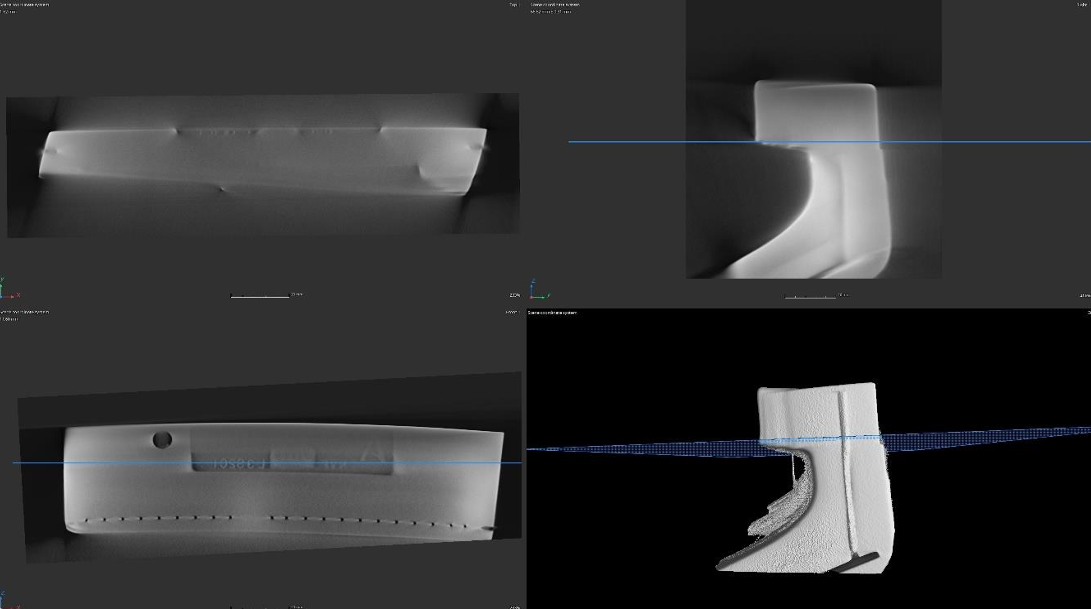
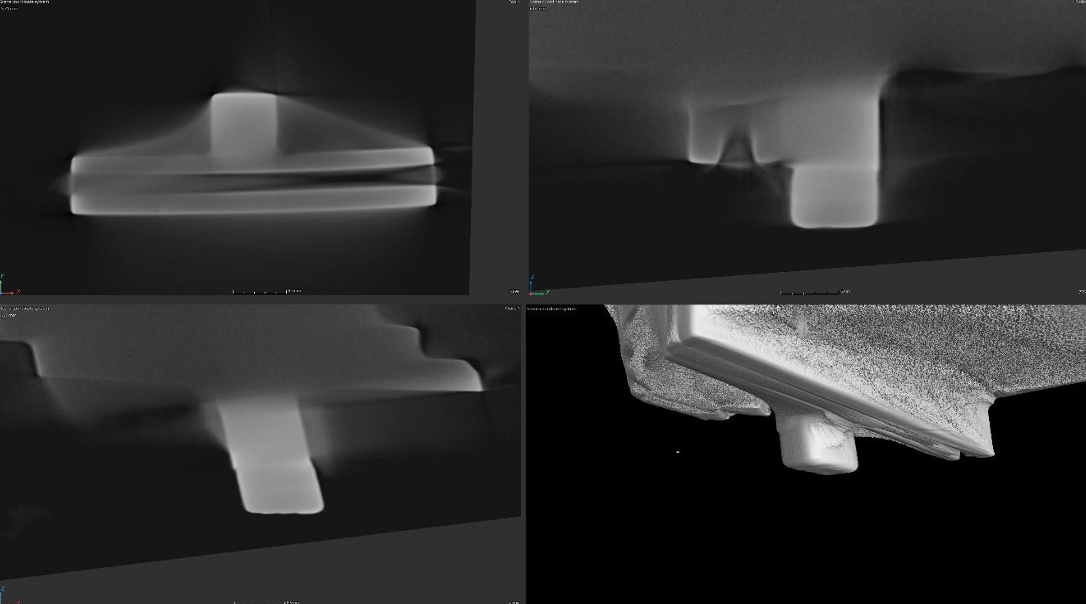
3D CT Scanning was performed to evaluate the quality and soundness of the repaired turbine blade using LP-DED, and it was confirmed that the repaired part was formed without any cracks or defects inside
Reference
Repair Case
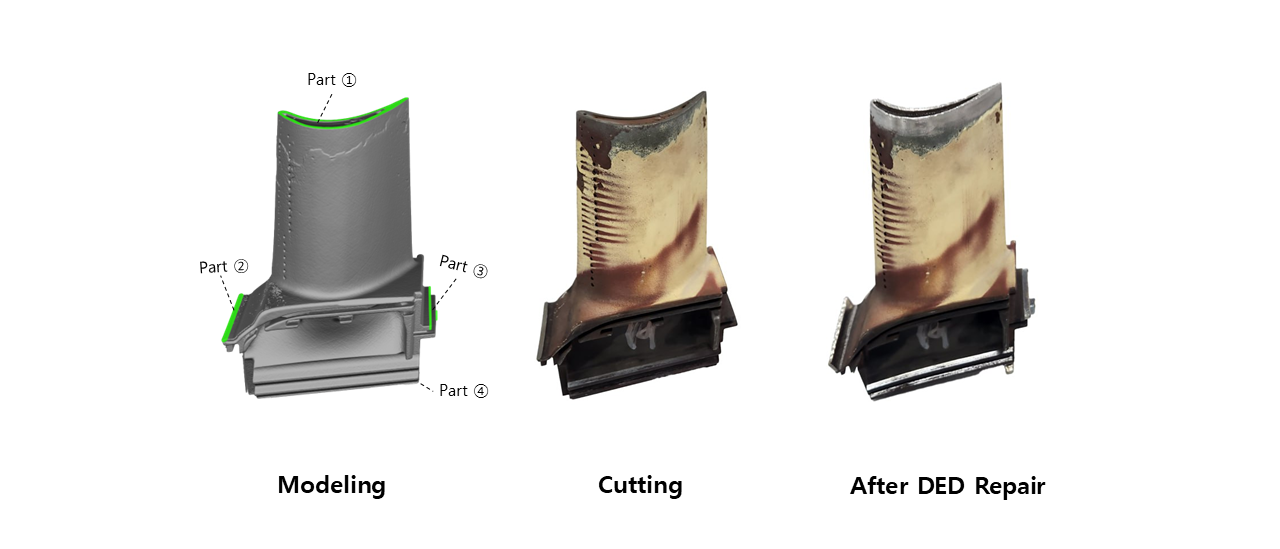
The repaired area exhibits superior properties compared to the base material, with no cracks or defects observed even after applying the same heat treatment as the base material.